
Reading for Pleasure: Why Reading Matters at Radnor
Each year, World Book Day reminds us of something simple yet powerful: the joy of reading. The theme this year – Reading for Pleasure – is particularly close to our hearts at Radnor House Sevenoaks, where we work hard to nurture a culture in which reading is not only encouraged, but genuinely enjoyed.
At Radnor, we believe that becoming a confident reader opens doors to academic success, creativity, empathy and wellbeing. Our aim is to help every pupil discover that reading is not simply a school skill, but a lifelong source of curiosity, imagination and personal growth.
Why reading for pleasure matters
Research consistently shows that children who read regularly for enjoyment gain significant benefits both academically and personally. According to organisations such as World Book Day and BookTrust, reading for pleasure is one of the strongest indicators of future academic success.
Academic development
Even reading for just ten minutes a day can make a meaningful difference to a child’s literacy. Through regular reading, pupils naturally develop a wider vocabulary, improved spelling and a stronger grasp of grammar – skills that underpin success across every subject.
At Radnor House, reading sits at the heart of our learning culture. Whether pupils are exploring literature in the classroom, researching in the library or pursuing their own interests through books, reading supports the development of confident, independent learners.
Supporting wellbeing
In a world where young people are increasingly surrounded by screens and social media, reading offers an important opportunity to pause and disconnect. A good book provides a calm space to reflect, imagine and relax.
Encouraging children to read for pleasure helps them develop healthy habits away from screens and can support emotional wellbeing by providing moments of quiet focus and enjoyment.
Exploring interests beyond the curriculum
Books also allow pupils to explore subjects that spark their curiosity beyond the classroom. From sport and science to art, nature and history, reading empowers children to follow their interests and deepen their understanding of the world around them.
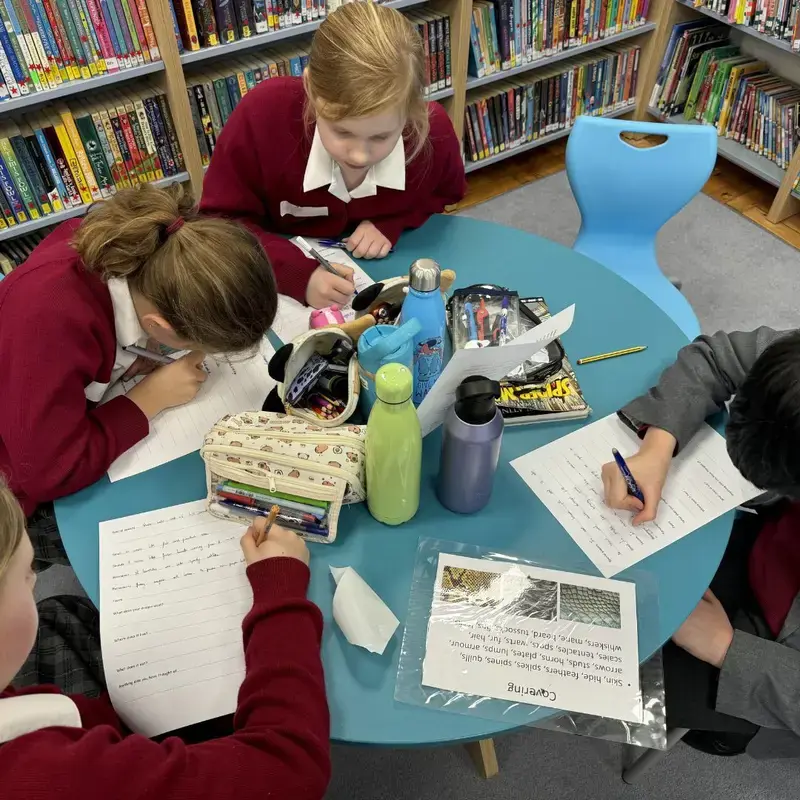
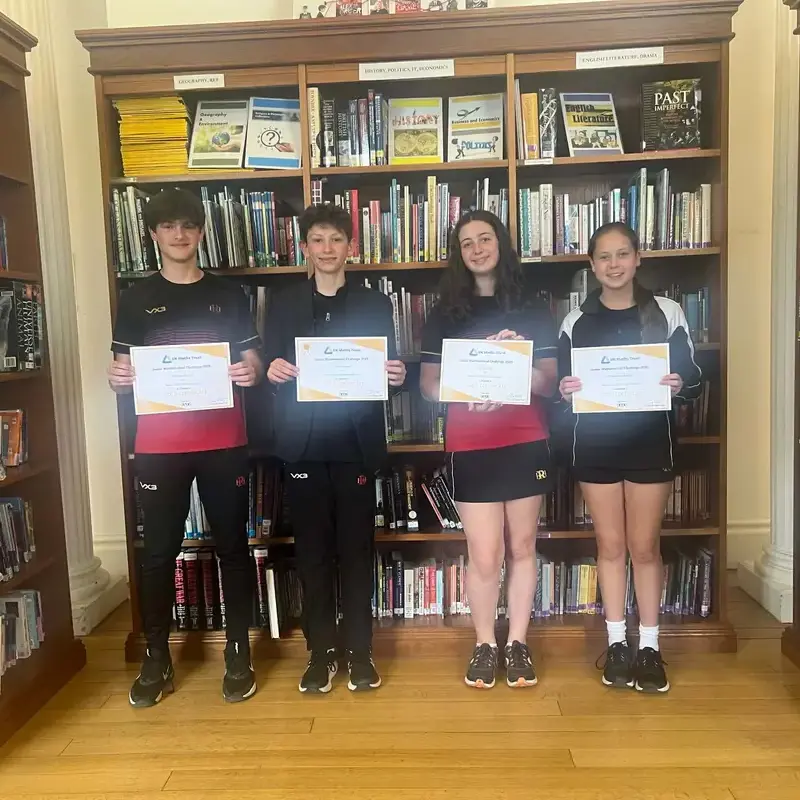
Our school library plays a central role in this, offering a wide range of fiction and non-fiction titles so that every pupil can find something that captures their imagination.
Building empathy and understanding
Stories allow young readers to see the world through someone else’s eyes. Through books, children encounter characters, cultures and experiences different from their own.
This ability to step into another perspective is fundamental to developing empathy, compassion and emotional intelligence – qualities that are central to the Radnor ethos.
Encouraging reading at home
While schools play a vital role in developing reading habits, the encouragement pupils receive at home can make a significant difference. Creating a positive reading culture at home helps children and teenagers see books not simply as part of schoolwork, but as something enjoyable and rewarding in its own right.
Here are a few simple ways families can help nurture a love of reading:
Make reading part of everyday life
Even ten minutes of reading each day can build confidence and enjoyment. For younger children this might be reading together at bedtime, while older pupils may prefer reading independently before bed or during quieter moments in their day.
Let children choose what they read
Choice is one of the most powerful motivators when it comes to reading for pleasure. Whether it is fiction, non-fiction, graphic novels, magazines or audiobooks, allowing young people to explore topics that interest them helps build long-term reading habits.
Link reading to personal interests
Books that connect to a child’s passions can often spark enthusiasm for reading. This might include books about sport, animals, science, technology or history. For older pupils, biographies, current affairs books or popular fiction can often open the door to wider reading.
Be a reading role model
Children are far more likely to read if they see the adults around them reading too. Talking about books, sharing recommendations or simply making time to read yourself can send a powerful message that reading is something valued and enjoyed.
Create time and space for reading
For younger children, a cosy reading corner can help make reading feel relaxing and enjoyable. Older pupils, whose schedules are often busy with schoolwork and activities, may benefit from simply having regular quiet time away from screens to read.
Talk about books and ideas
Discussing stories, characters or interesting ideas from books can make reading feel more engaging. With older pupils, conversations about themes, opinions or current issues raised in what they are reading can be particularly valuable.
Supporting reluctant readers
It is perfectly normal for some children and teenagers to be more reluctant readers. Often the key is helping them discover reading that feels relevant, accessible and enjoyable.
You might try:
- Choosing books connected to hobbies, interests or favourite subjects
- Exploring graphic novels or highly visual books
- Introducing audiobooks, particularly for journeys or busy schedules
- Encouraging reading linked to films or television adaptations
- Sharing articles, magazines or short-form writing that may feel less intimidating than longer books
The most important factor is ensuring that reading remains associated with curiosity and enjoyment rather than pressure. Once young people discover books that genuinely interest them, their confidence and enthusiasm for reading often grow quickly.
Celebrating World Book Day at Radnor
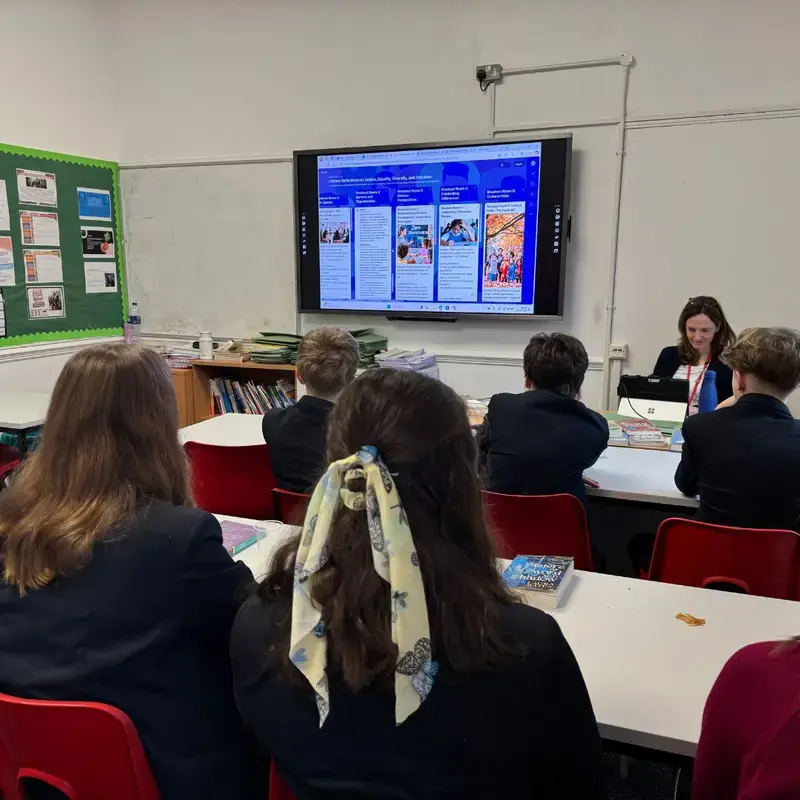
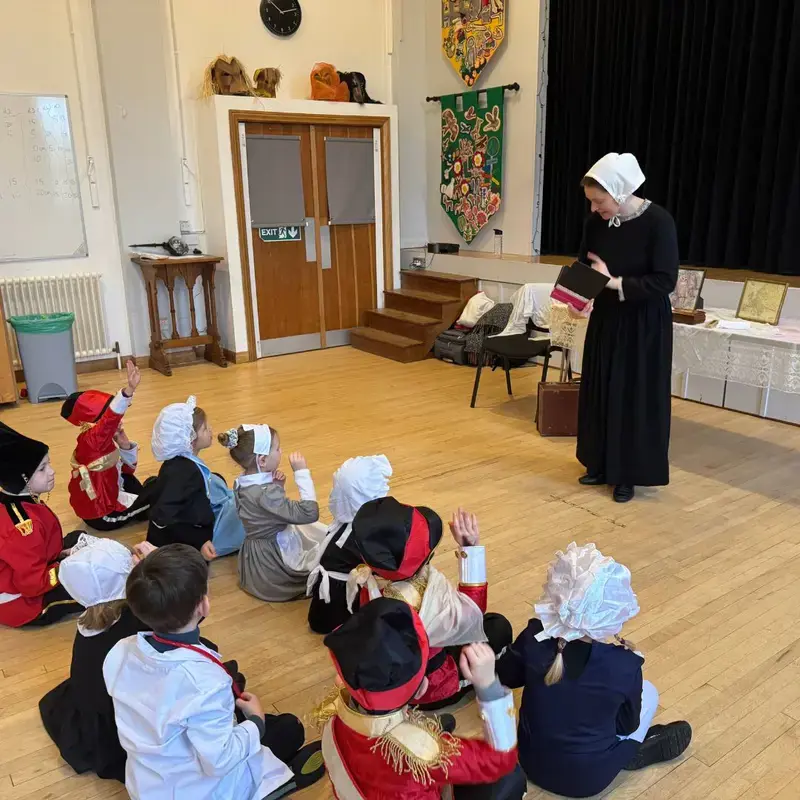
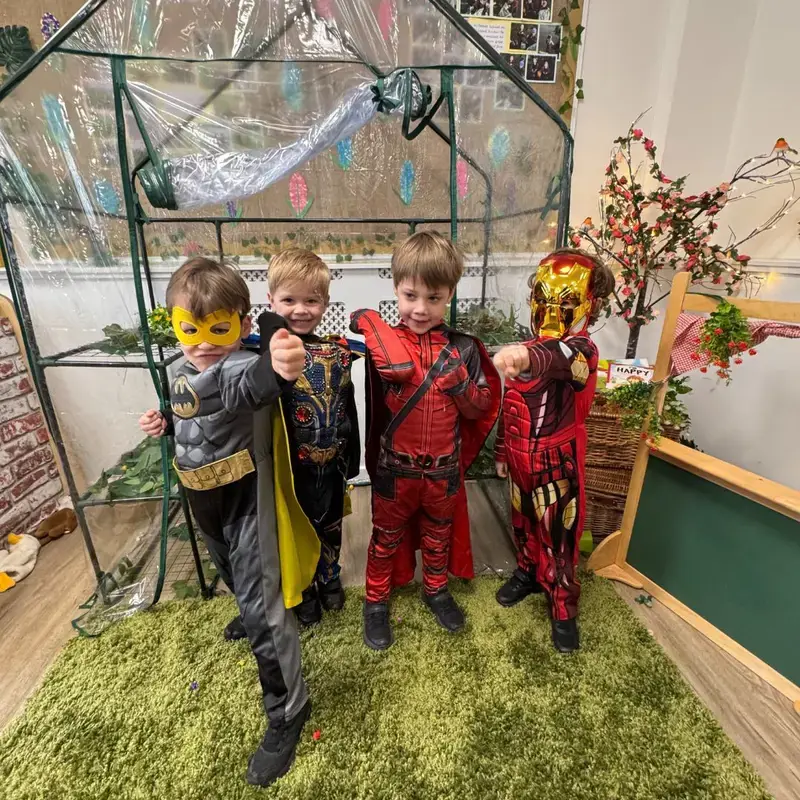
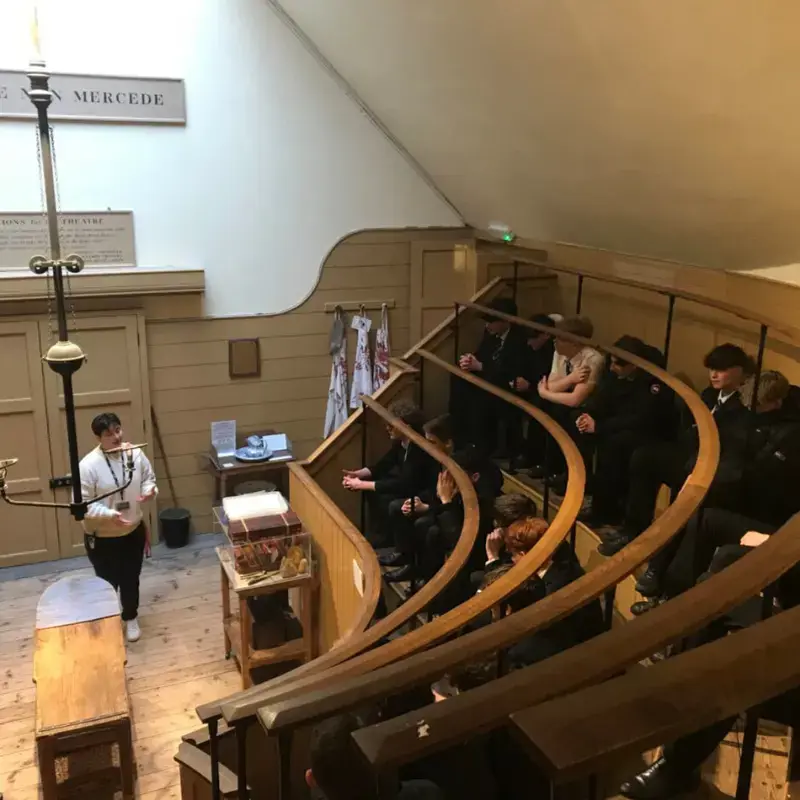
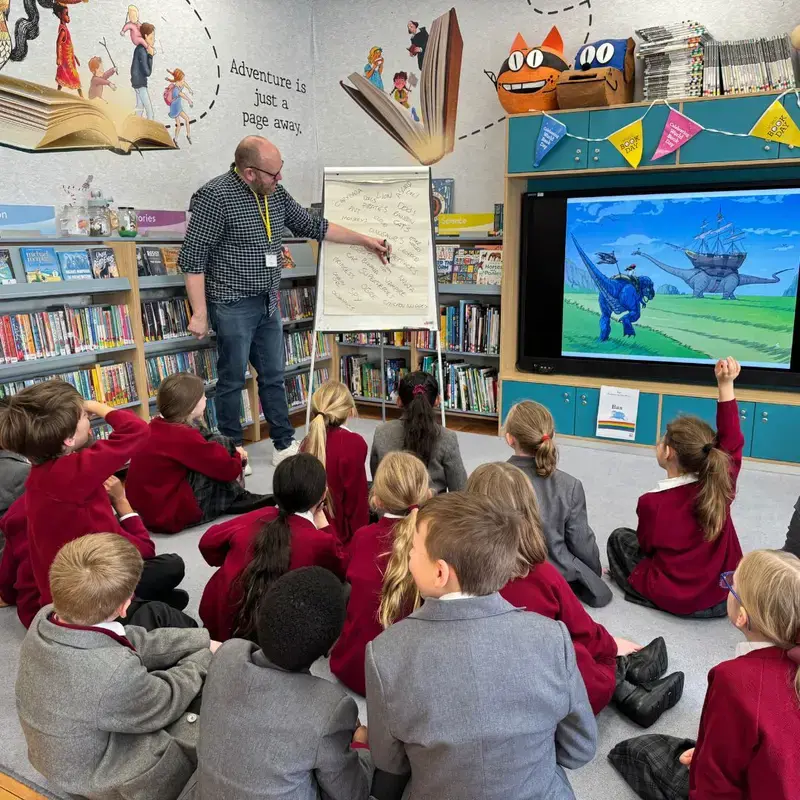
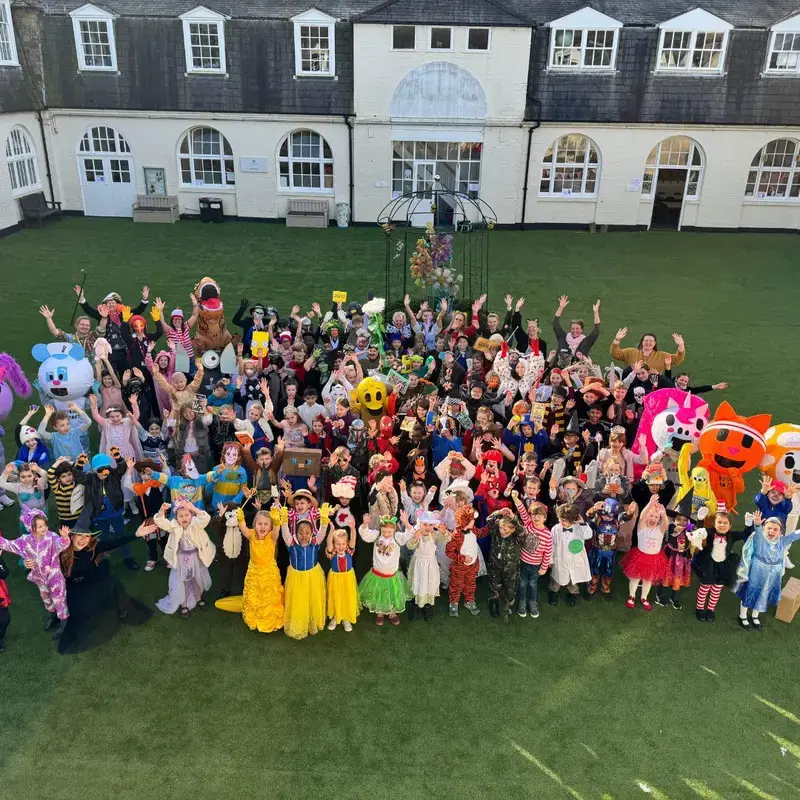
World Book Day provides a wonderful opportunity to celebrate reading as a community. Throughout the week, our pupils have enjoyed a variety of activities designed to spark enthusiasm for books and storytelling.
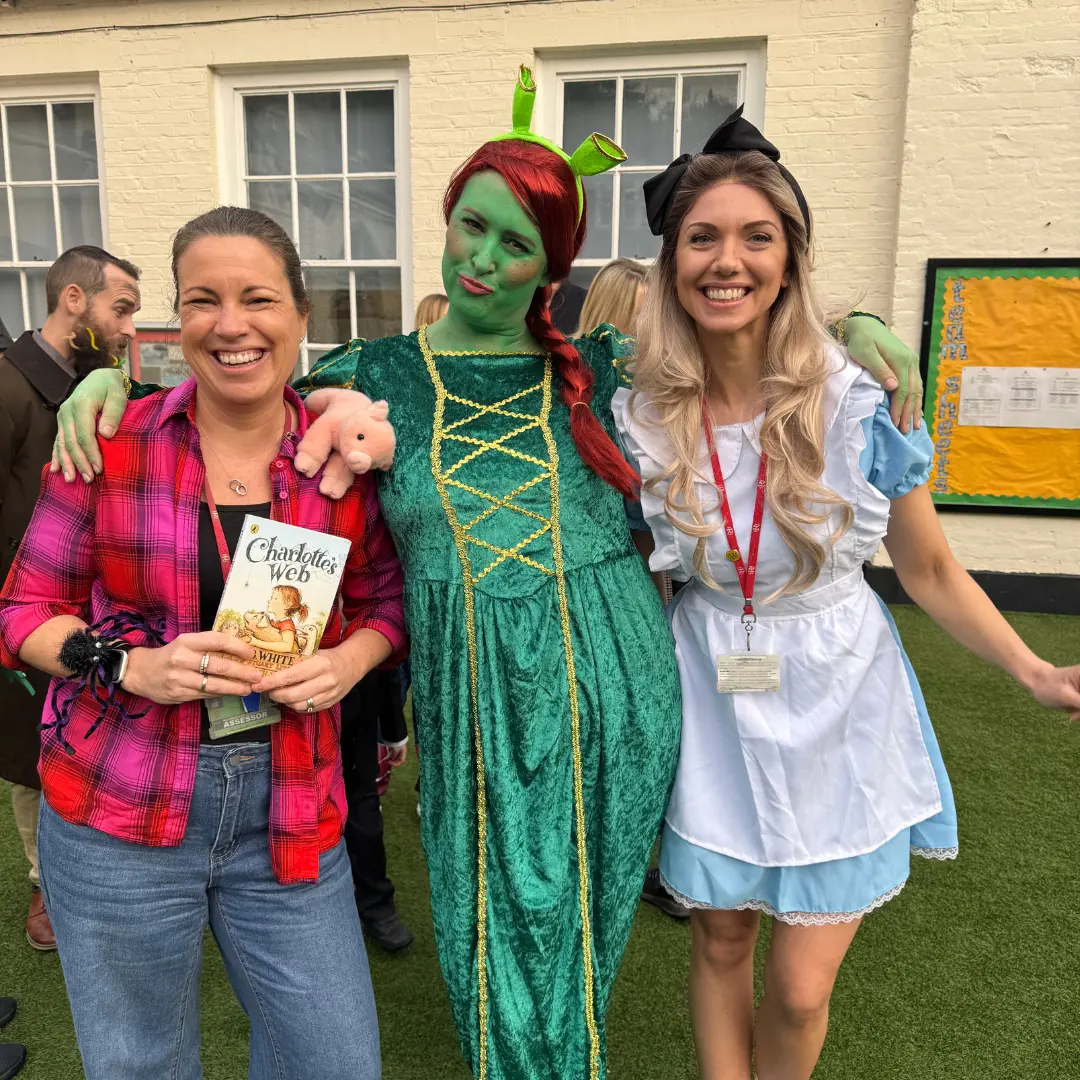
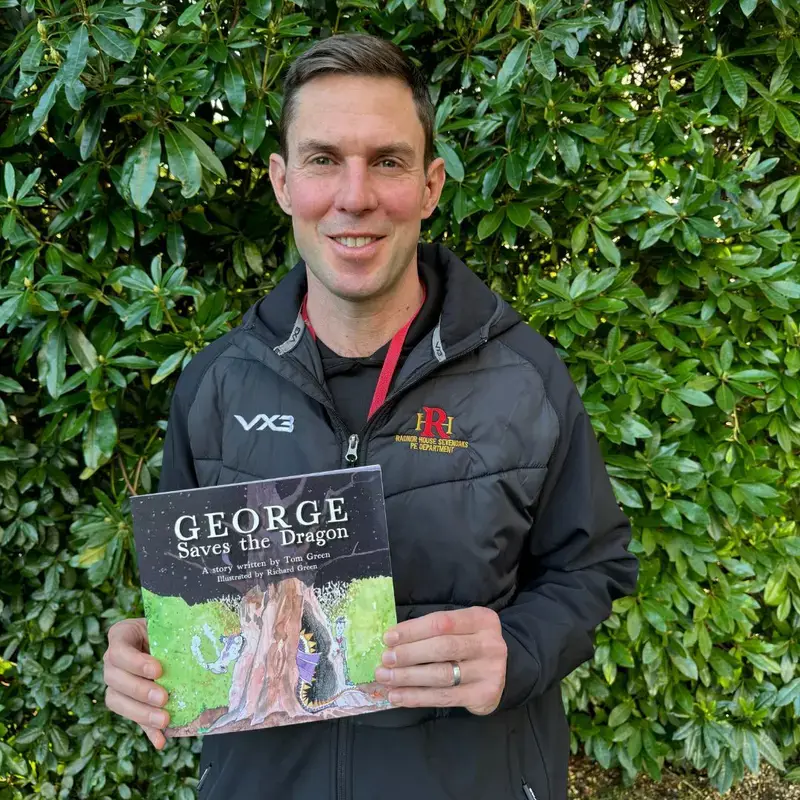
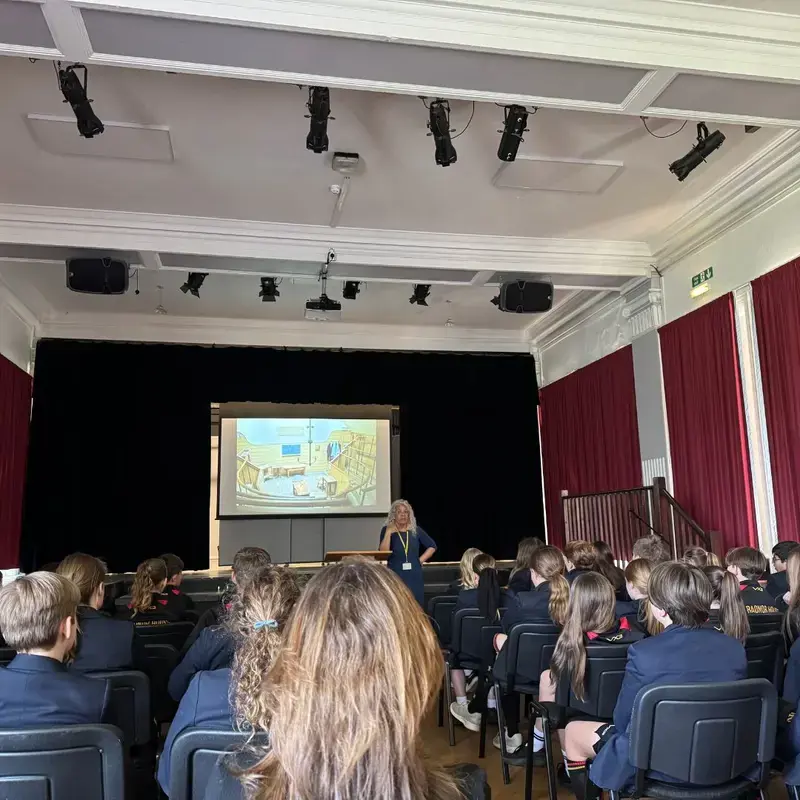
These include author visits, creative workshops, reading events in the library and, of course, the much-loved opportunity for pupils to dress up as their favourite literary characters.
Moments like these remind us that reading is not simply an academic exercise; it is an experience that brings imagination, creativity and joy to school life.
A lifelong habit
Ultimately, our goal at Radnor House Sevenoaks is to help every pupil develop a lifelong relationship with reading. By encouraging curiosity, offering choice and celebrating books together, we aim to ensure that reading remains one of the most powerful tools our pupils carry with them beyond the classroom.
World Book Day is a celebration, but our commitment to reading continues every day of the year.