
Alumni Spotlight
“We Go Again”: How Radnor Helped Scarlett Find Her Way
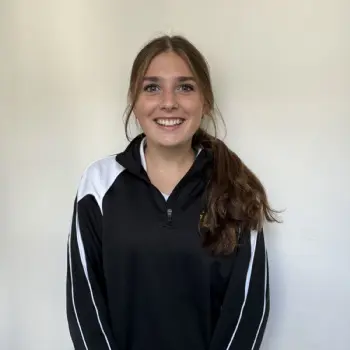
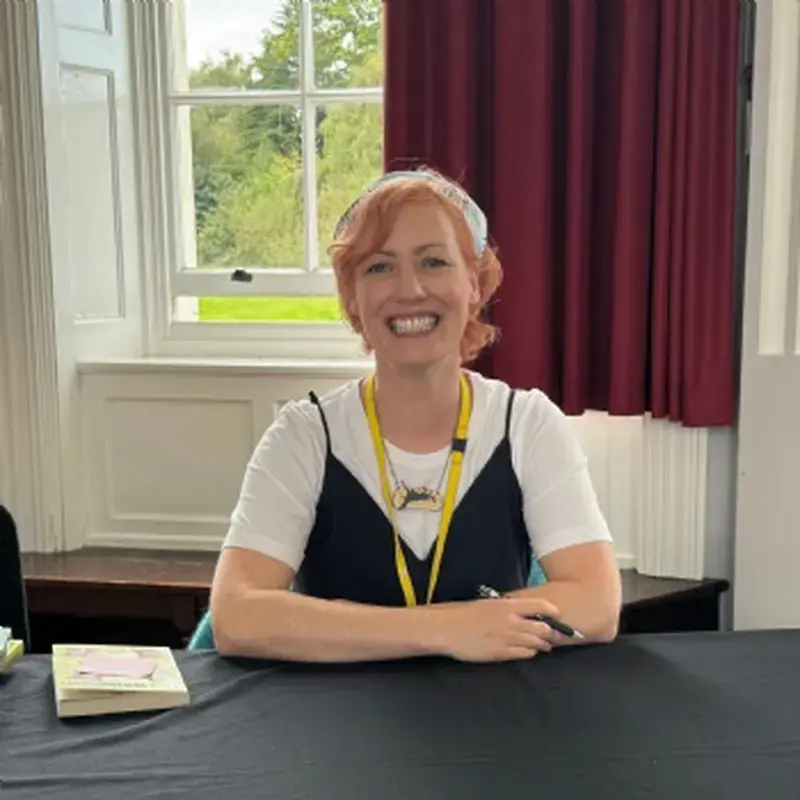
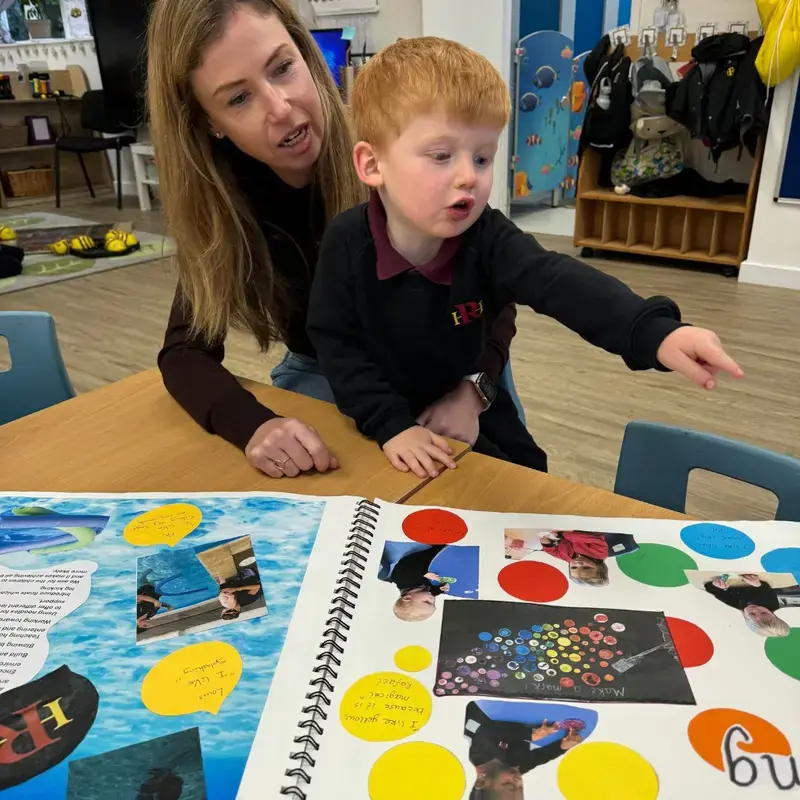
For many students, school is defined by new classrooms, friendships, exams and decisions about the future. For Scarlett Heming, Radnor House Sevenoaks was where she grew up, gained confidence and learned how to approach challenges. Scarlett joined Radnor in Reception and stayed through to Sixth Form. Being at the same school throughout meant teachers knew her well - not just academically, but as a person with her own strengths and challenges.
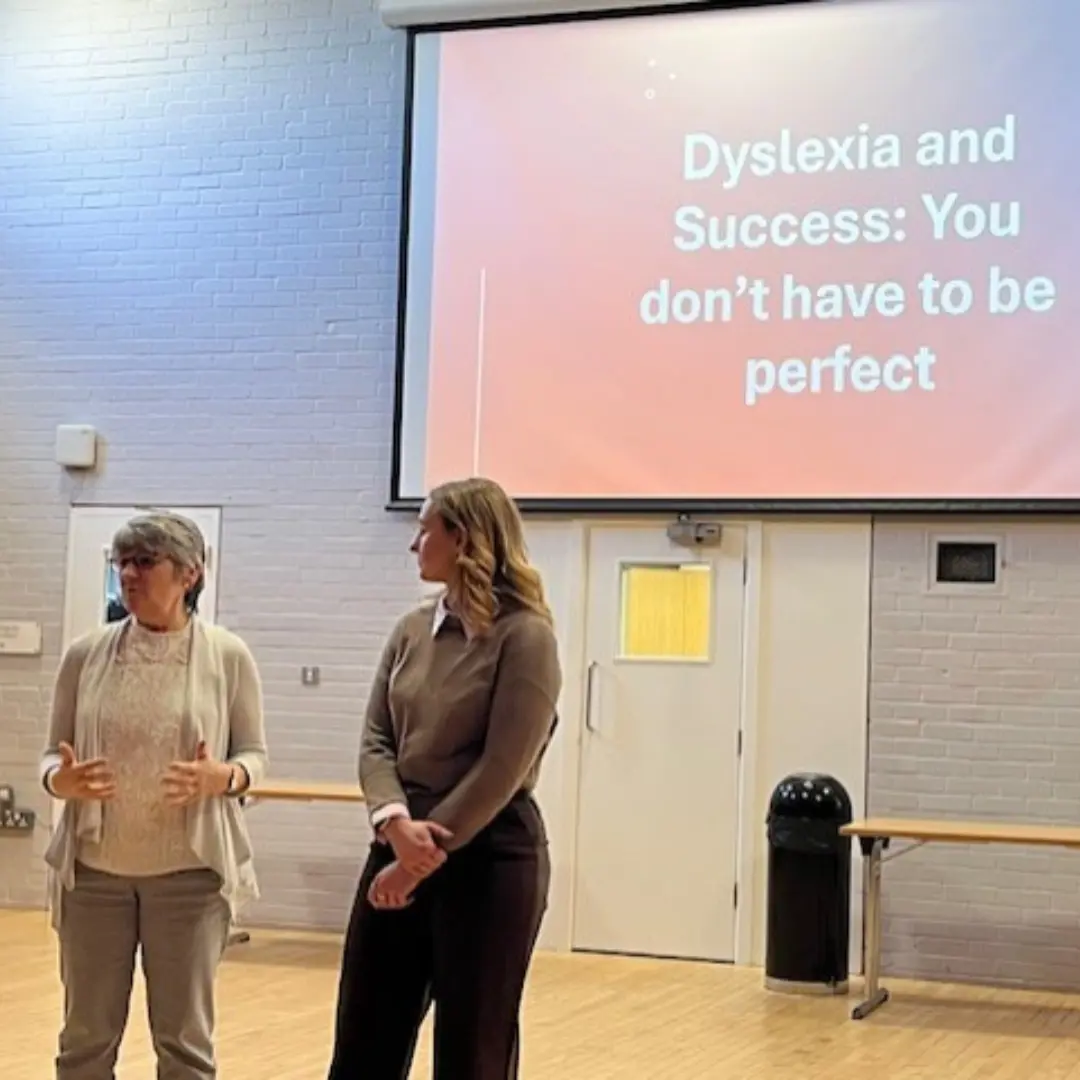
When we spoke to Scarlett as an alumna, she talked openly about resilience, dyslexia and the people who helped her find ways of learning that worked for her, both at school and afterwards.
“You Don’t Have to Be Perfect” - Learning with Dyslexia
I was diagnosed with dyslexia quite young, around Year 2, so it was always part of my story. When you’re little, it doesn’t feel like a big deal. You’re learning, you’re enjoying school and as long as you’re doing alright, it feels manageable. GCSEs were when it started to feel more serious. That’s when I realised it really mattered. It’s not just about trying your best and enjoying school - you start comparing yourself to your friends and wanting your results to reflect the effort you put in. Results Day was difficult because I didn’t get the grades I hoped for, or the same results as some of my friends. But what stayed with me most was how the school responded. Nobody panicked or made it into a drama. Teachers didn’t treat it like the end of the world or something that defined me. The attitude was simple: we go again.
That became a mindset I’ve carried ever since. GCSEs mattered, but they weren’t everything. The next step was about learning what needed to change and trying again in a different way.
One of the biggest changes for me was accepting that I didn’t have to learn in the same way as everyone else. There were lots of us in a small year group, and I realised I couldn’t compare my approach directly with other people’s. Mind maps are a good example. People love them, but they don’t work for me. I spend too long trying to make them look neat and then I run out of time. Accepting that was freeing. Just because everyone else is doing something a certain way doesn’t mean you have to. Once I stopped fighting how my brain works and started working with it, I enjoyed learning more and my results improved.
Everyday Support
One thing Radnor did well was making support feel normal. It wasn’t something you had to qualify for or make a big deal about. Teachers were just there. Because the school was smaller when I was there, teachers knew everyone. They noticed if you were having an off day or if something wasn’t quite right, and they would check in without making it awkward - even members of the leadership team.
It wasn’t, “Oh my God, Mr Penlington wants to speak to me.” It was just, “Oh, it’s Mr Penlington.” It felt relaxed and normal. That makes it easier to ask for help early and stops support feeling like weakness.
When It Started to Make Sense
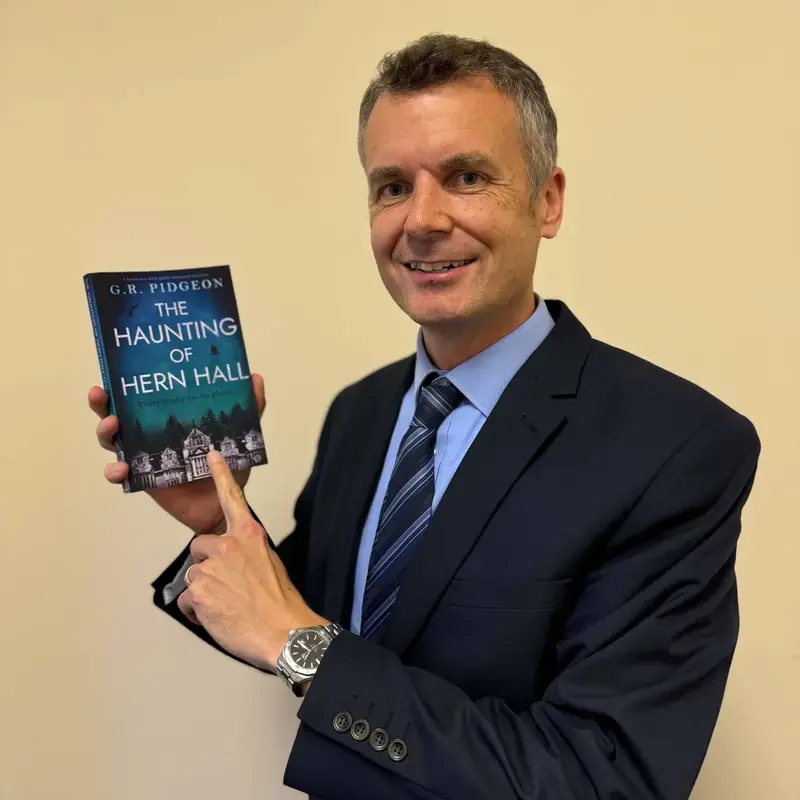
Things really changed for me in Year 12 when I started A Levels. I remember sitting in an English lesson with Mr Pigeon and suddenly feeling like it all made sense. I had always enjoyed learning and liked school, but I hadn’t always achieved the results I wanted. Then suddenly I started getting the grades, and I understood what I needed to do. A big part of that was my relationships with teachers - knowing I could ask for help and work out practical strategies. That carried through to university as well. It showed me that asking for support can make a real difference.
Sixth Form: Treated Like a Young Adult
Sixth Form was also where the school helped me become more independent. Our Head of Sixth Form really supported us in whatever we were doing, both inside and outside school. If you got a good grade, you could tell him and he would celebrate it straight away. When things didn’t go well, it wasn’t just being told off because of a rule - it was a conversation. At 16 or 17, that matters. You want to be treated like an adult and understand why expectations are there. It builds respect because it’s based on trust rather than fear. It also prepared me for life after school; being able to talk things through, take feedback and take responsibility.
Beyond the Classroom
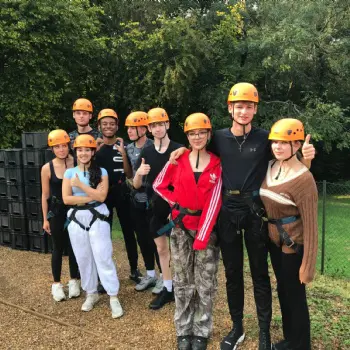
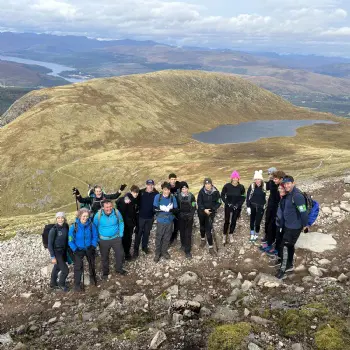
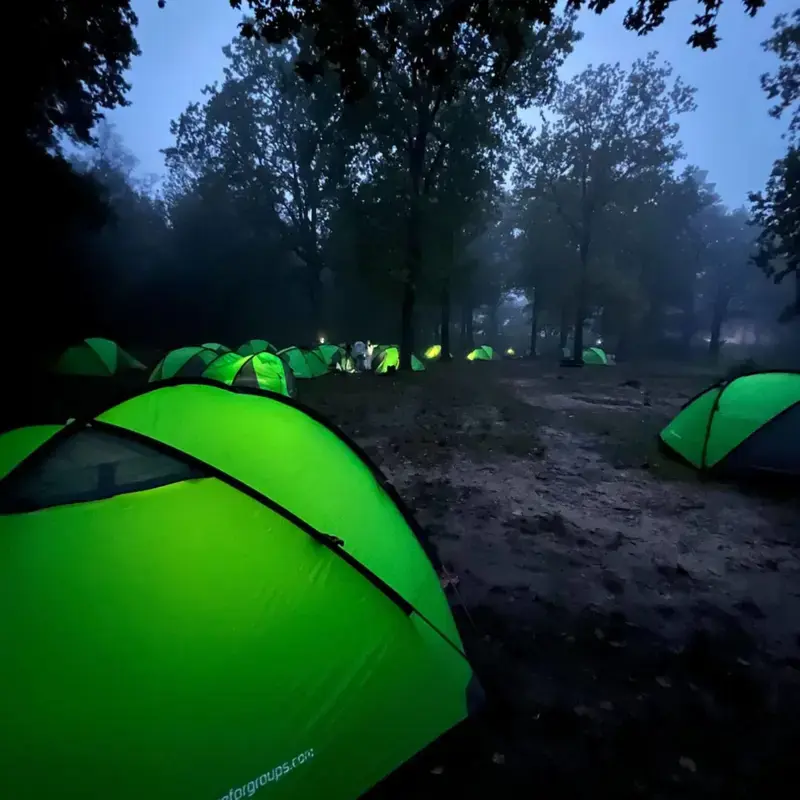
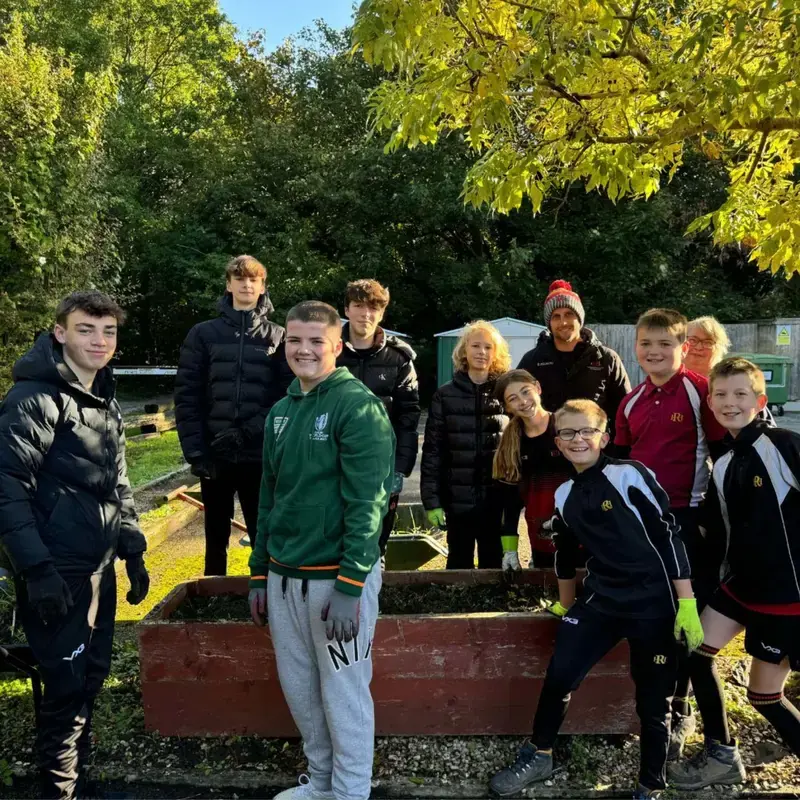
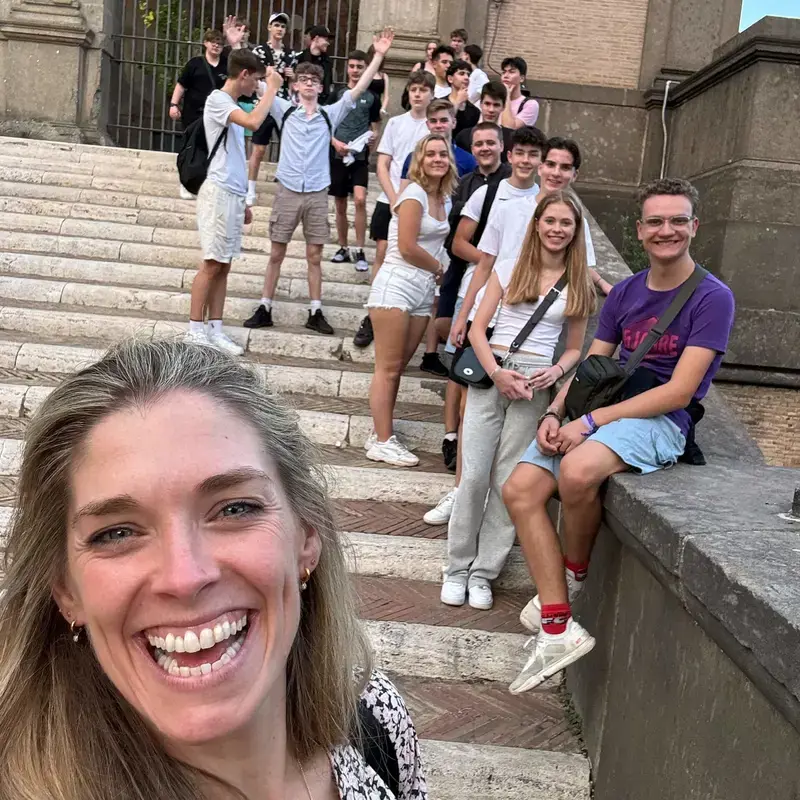
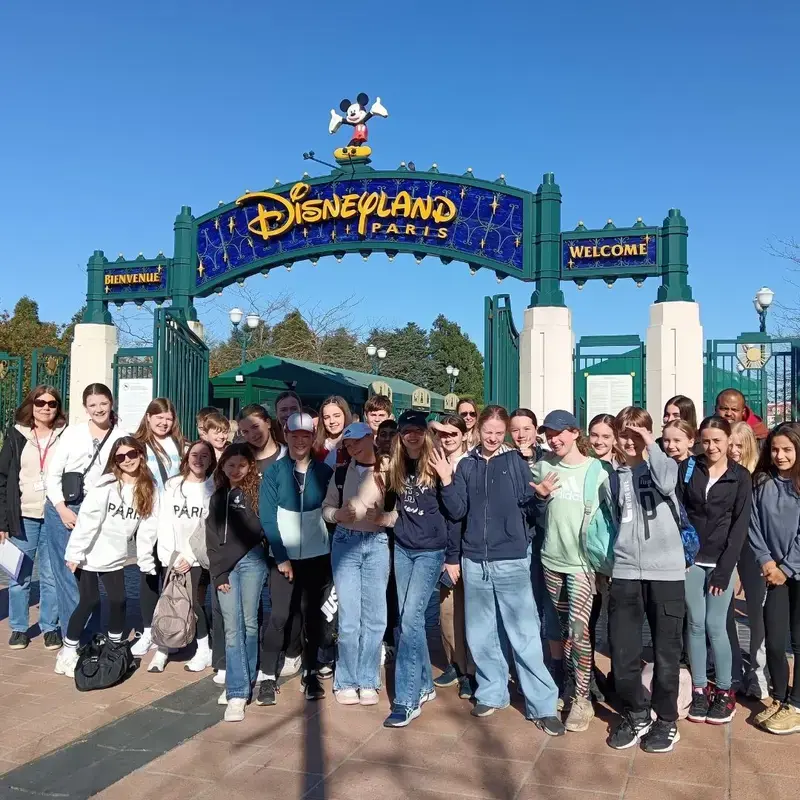
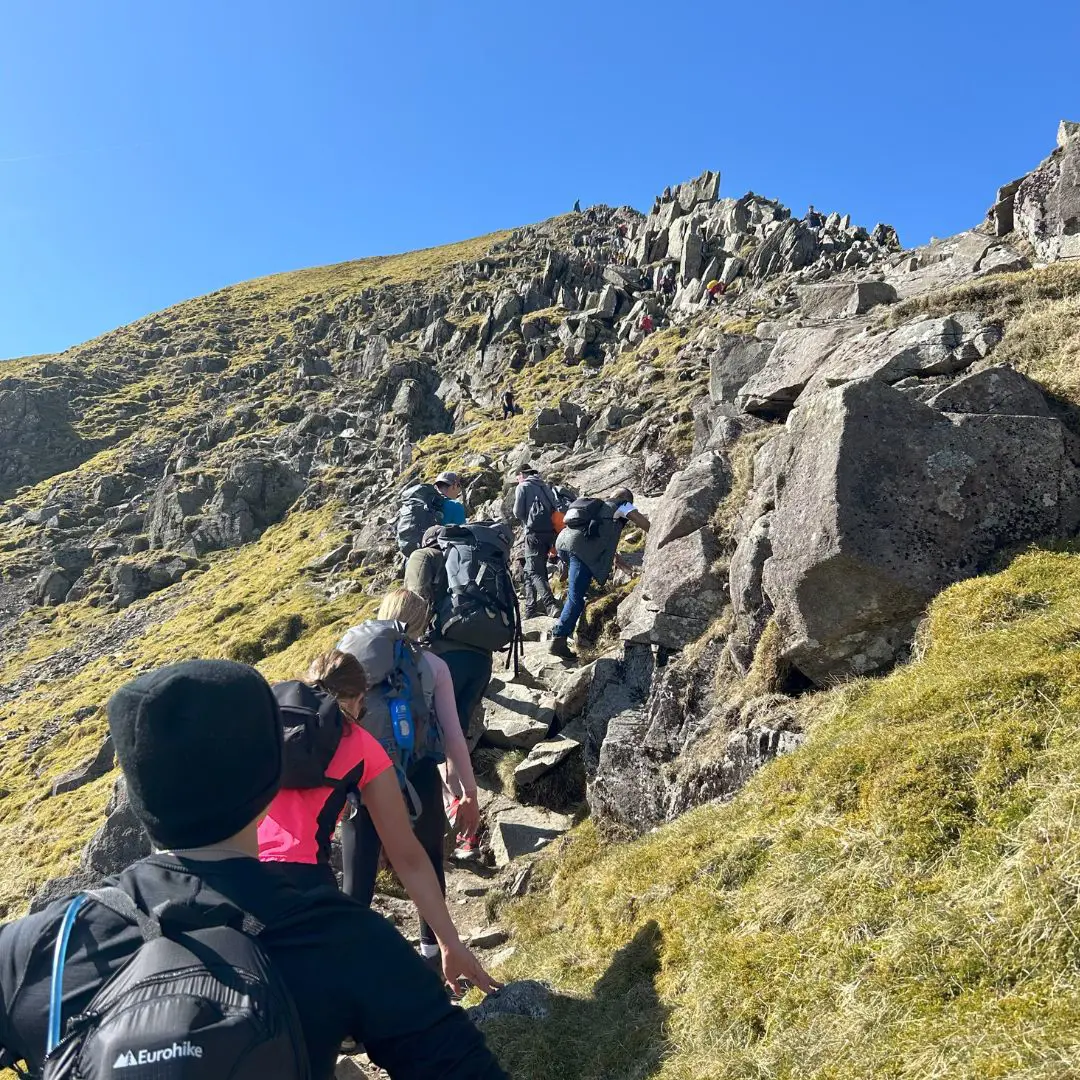
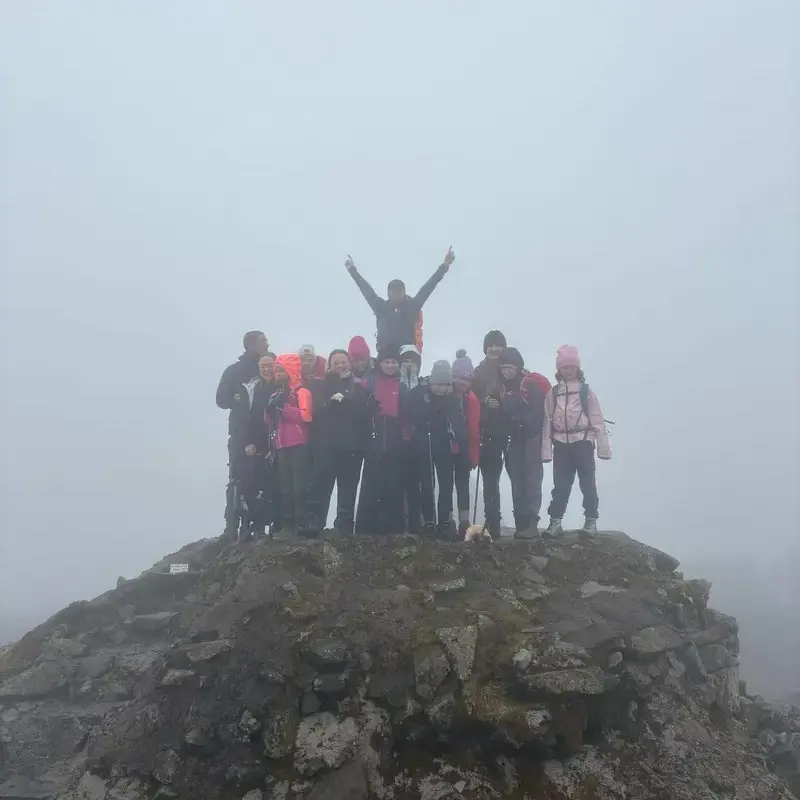
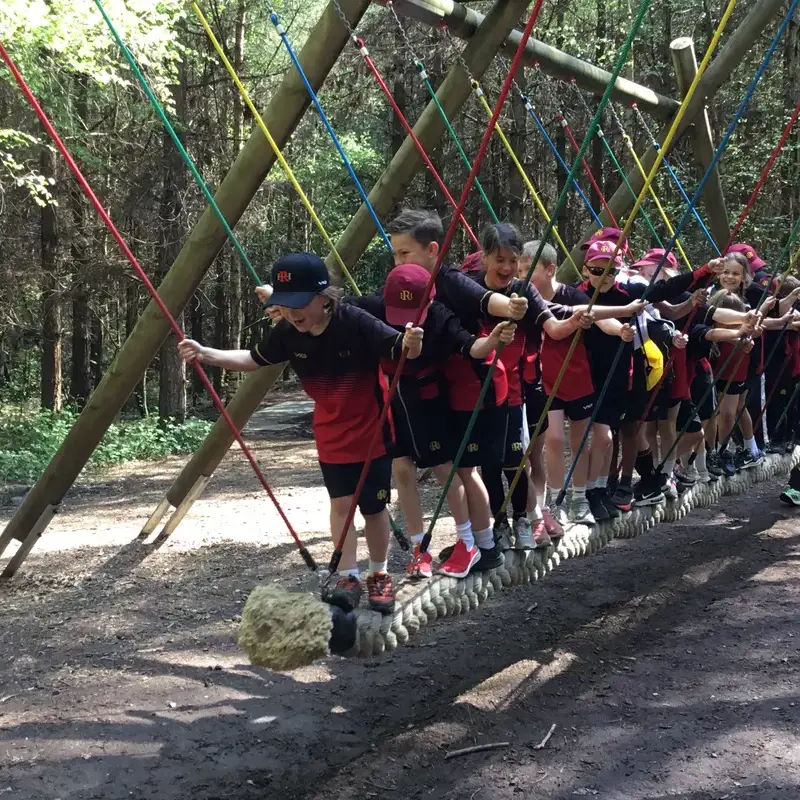
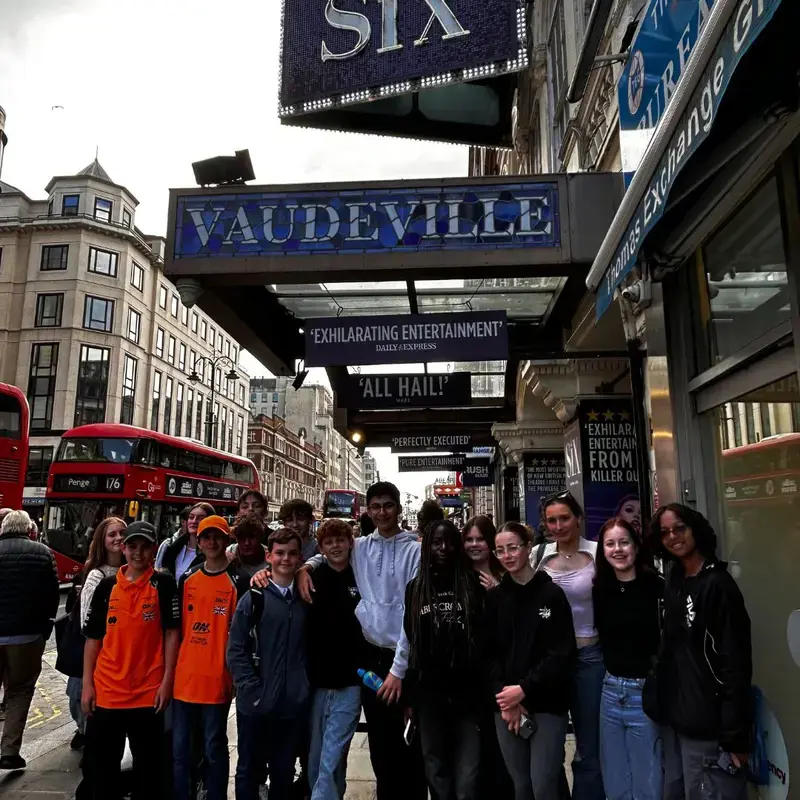
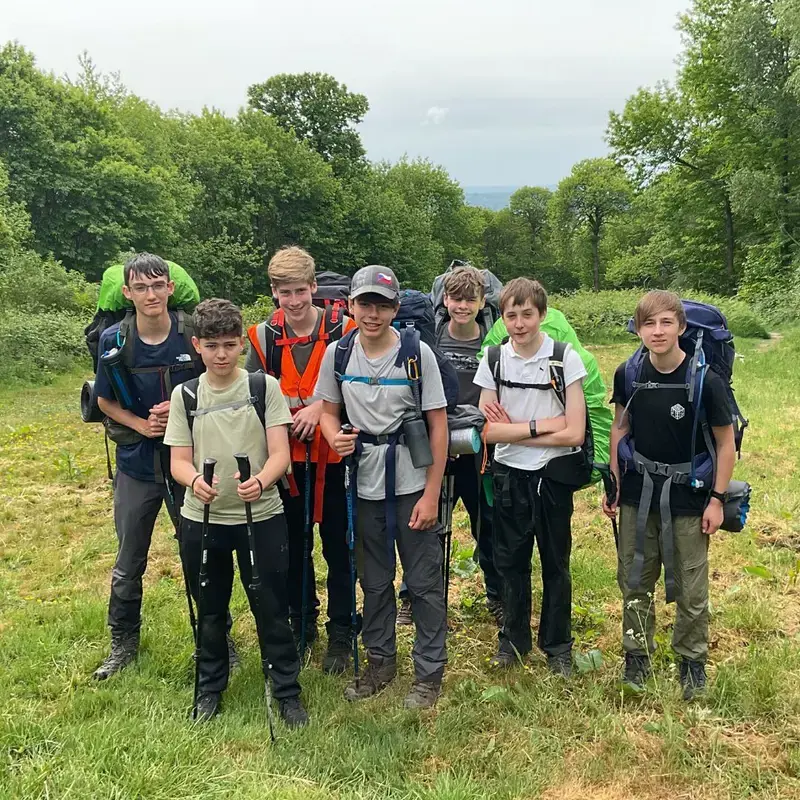
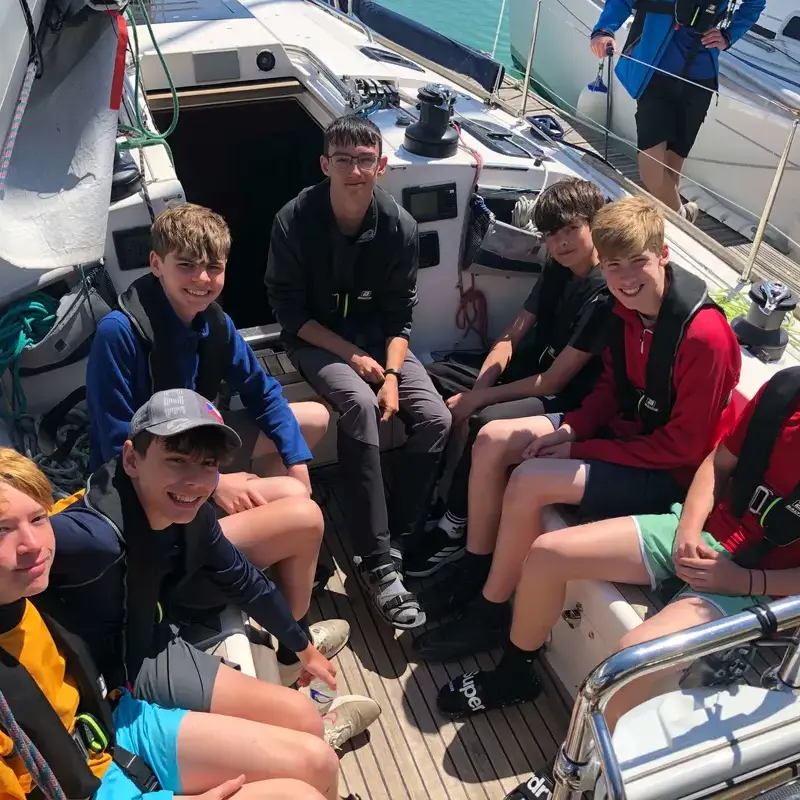
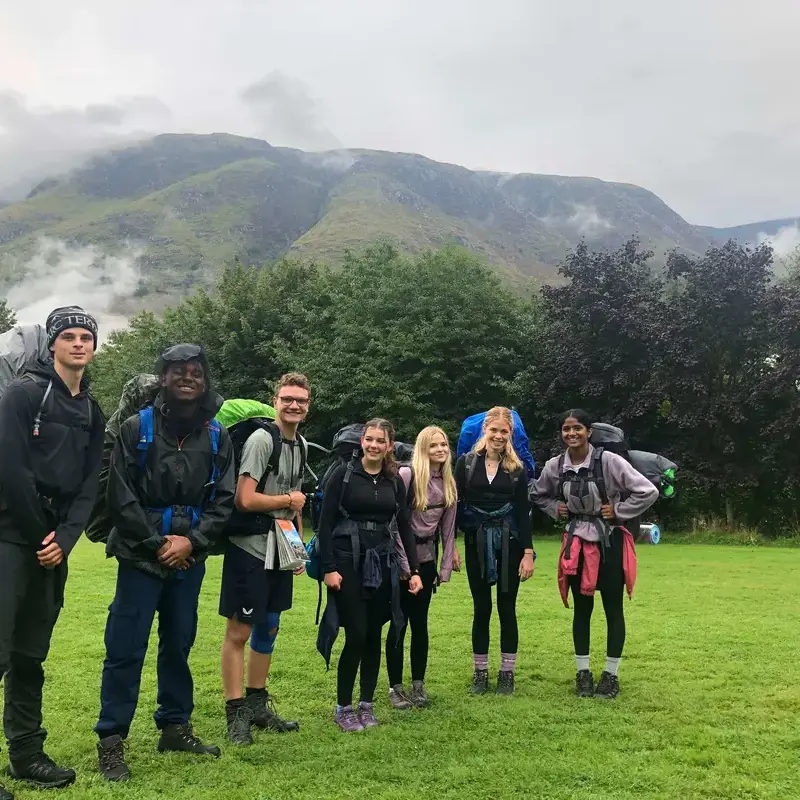
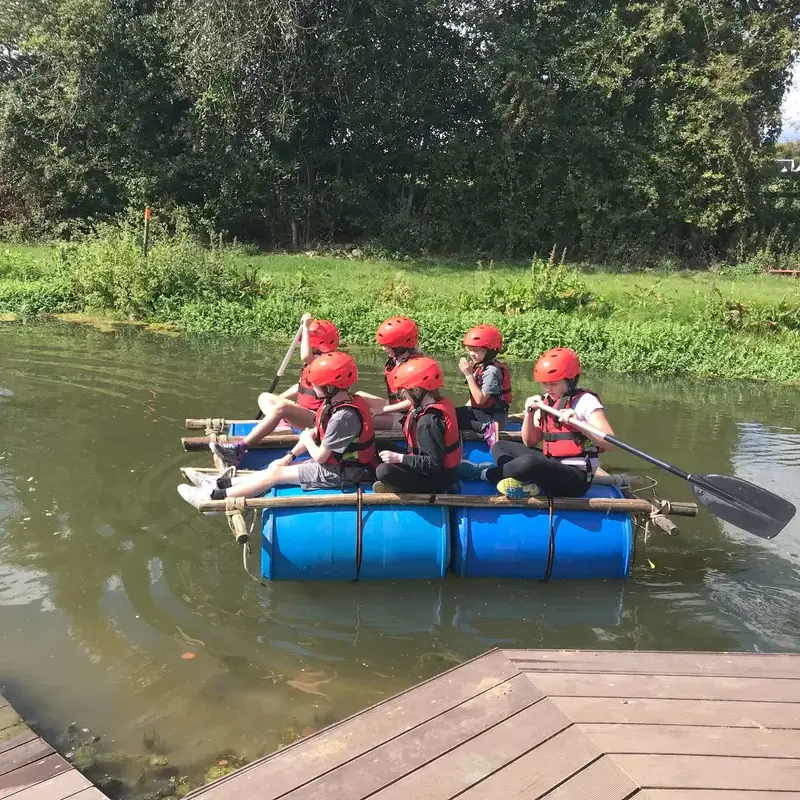
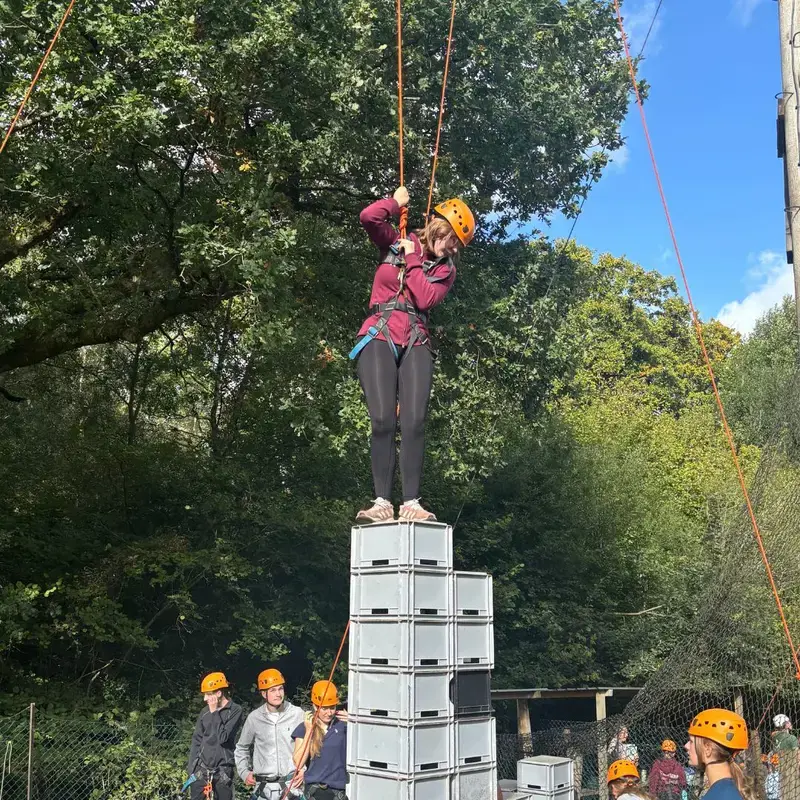
Some of my best memories were outside lessons. I did Duke of Edinburgh, choir and school trips, and I was Deputy Head Girl and Head of House. Those experiences helped build confidence and gave me useful experience when applying for university and jobs. In law especially, grades matter but employers also want people with interests and confidence. Nobody wants robots. I’m especially grateful for the opportunities Radnor offered. I was in the first group to go on the New York trip, and I went to Mexico on an environmental tour where we learned scuba diving. Experiences like that make school feel bigger than lessons and create lasting memories.
Scarlett’s Path into Law
I left Radnor in 2021 - the COVID year - so I didn’t sit my A Levels in the usual way.
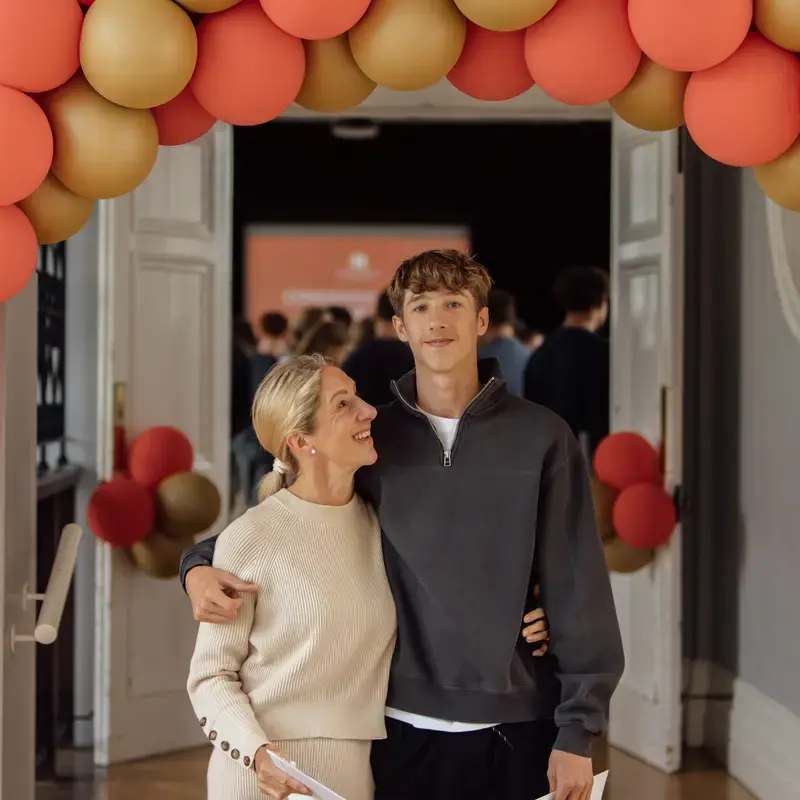
Now I’m 23, and it’s strange to think how different things felt during GCSEs compared with where I am now. I have a 2:1 degree in Law, a Distinction at Master’s level, I’ve passed my professional legal qualifications, and I now work as a paralegal at a top law firm. If you had told me that during GCSEs, I don’t think I would have believed you. There were times when I could easily have given up because it felt so hard. But walking across the graduation stage was an incredible feeling. I wish students could experience that moment - it shows what all the hard work is for. It hasn’t been a straight path. University wasn’t always easy. I disliked parts of it and failed some exams. It’s easy to see someone’s achievements online and assume it came easily, but that never shows the effort behind it. The biggest change for me was accepting that I would have to work harder. Once I accepted that instead of resisting it, things improved.
Keep Going
If I could say one thing to students whose path looks different from everyone else’s, it would be this: keep going. If you stop, nothing can happen. Be open to changing plans. Life changes all the time. If something doesn’t work out, it doesn’t define you - sometimes it just wasn’t the right time.
A difficult moment doesn’t decide your future.