
The Real Challenge Begins After the Ban
Just a few years ago, the idea of governments restricting social media access for children would have seemed extraordinary. Today, it feels almost inevitable.
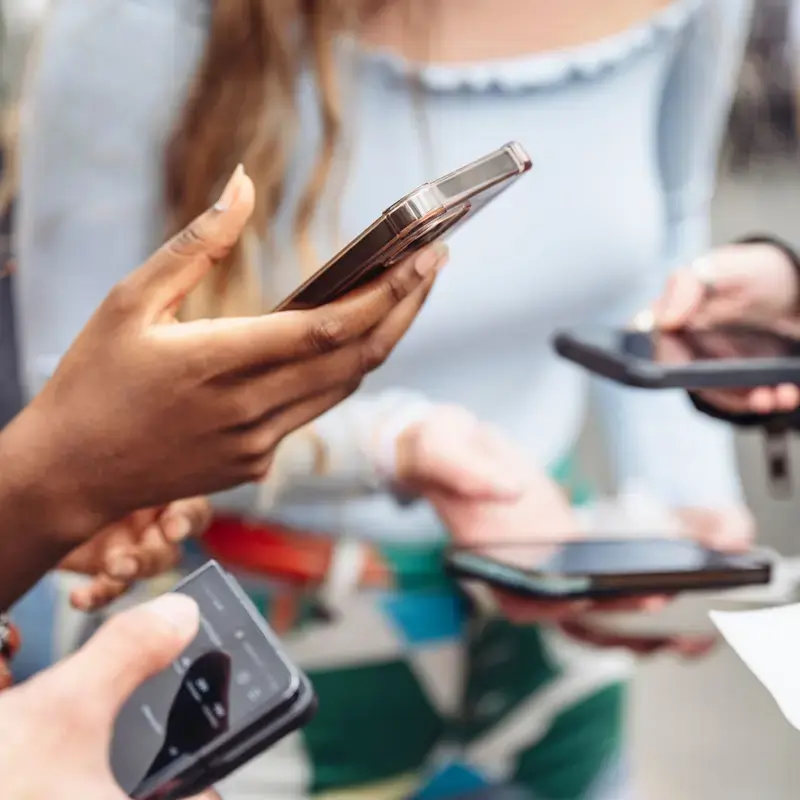
Public opinion has shifted with remarkable speed. Parents, schools and policymakers are increasingly aligned in their view that smartphones and social media have become a significant challenge for young people.
The question is no longer whether there is a problem.
The debate has moved on to what, if anything, should be done about it.
The political scientist Joseph Overton described this shift as movement within the "Overton Window" – the range of ideas that society considers acceptable to discuss. Two years ago, many parents and teachers knew instinctively that modern smartphones were having a detrimental impact on young people, but it was not until the publication of The Anxious Generation by Professor Jonathan Haidt in March 2024 that many of us were able to articulate why.
Shortly after the book was published, public opinion began to shift. In December 2025, Australia decided to ban certain social media apps and, since then, the Overton Window has moved considerably. This week, Kier Starmer's Labour government indicated that it too would pursue such a policy, with the caveat of possibly extending some restrictions to 17 and 18-year-olds.
The public has very quickly swung behind such an approach, with 90% of parents recently surveyed supporting some type of ban. Indeed, Education Secretary Bridget Phillipson has announced proposals to ban smartphones from schools, and an increasing number of headteachers are implementing restrictions on internet-enabled devices. Radnor House Sevenoaks announced its own ban on smartphones for younger pupils from September 2026 and expects to see all internet-enabled phones remain off site over the years ahead.
When I wrote about Australia's new ban earlier in the year, I said that I was sceptical it would achieve the transformational effect some hope for. And that remains true, although Starmer's proposals do go further and point in the right direction.
What may prove more important than the behavioural changes psychologists identify is the signalling effect of the ban on parents and schools. By explicitly and loudly pointing the finger at social media and smartphones, we are starting to witness a rewiring of our relationship with these ubiquitous devices.
I seem to be speaking with an increasing number of people who are actively shunning them, more parents who are prepared to be stricter, and more students who acknowledge that their relationship with technology is not always a healthy one.
So what can we expect from the ban?
Perhaps the more important question is what comes next.
It would be tempting to assume that removing social media from the lives of young people automatically leads to a better childhood. Yet the absence of social media is not the same thing as the presence of resilience, curiosity, friendship or confidence. Those qualities still need to be nurtured by parents, schools and communities.
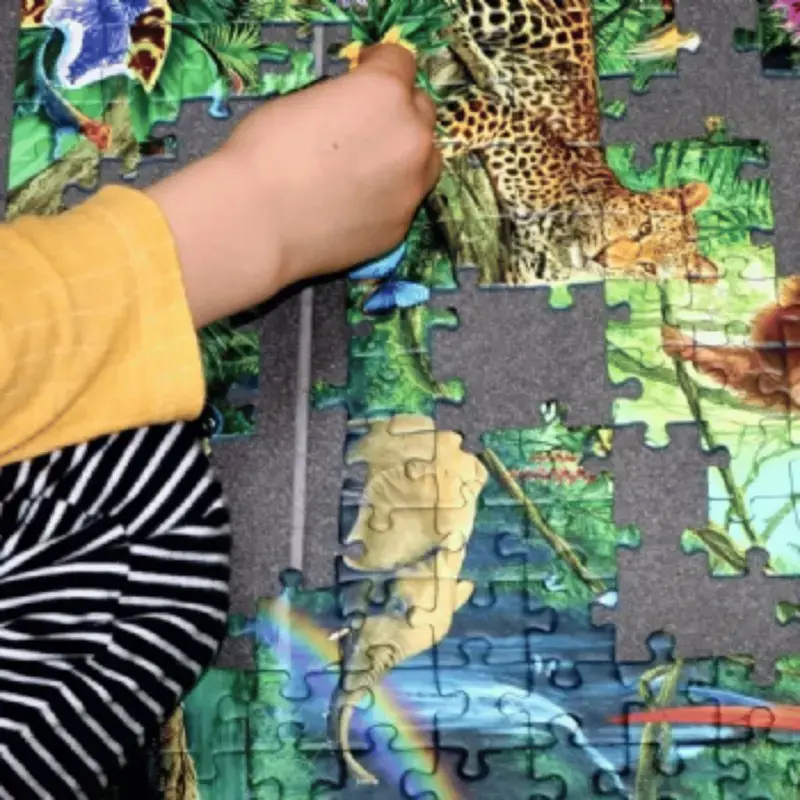
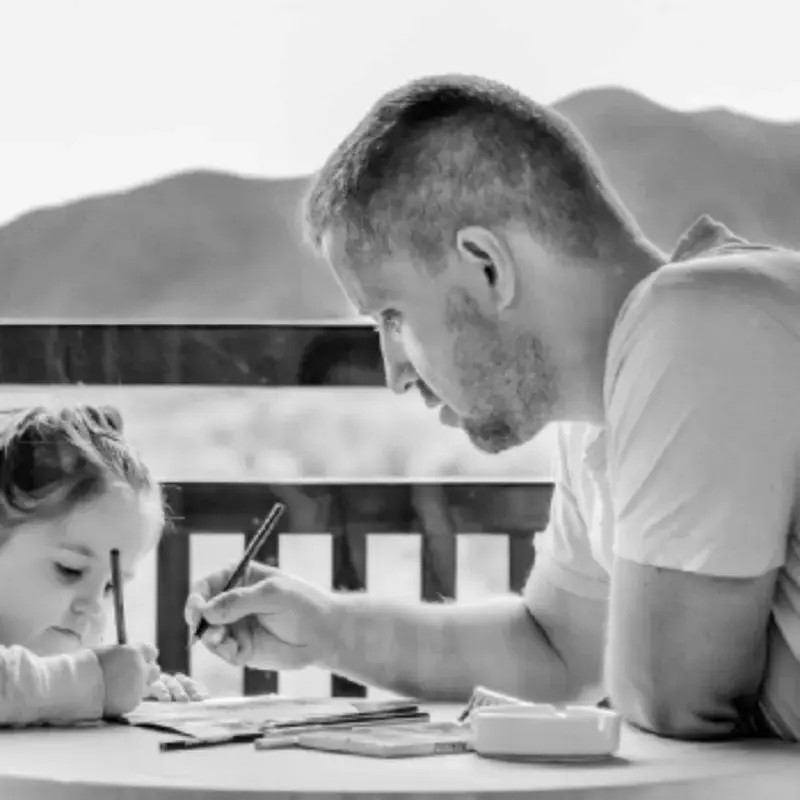
The real challenge begins after the ban. If young people spend less time scrolling, what will replace it? Will they spend more time reading, talking, playing sport and developing their interests, or will they simply migrate to different digital spaces?
Legislation can create the opportunity for change, but it cannot guarantee the outcome. If this policy encourages parents, schools and young people to rethink their relationship with technology, it will have achieved something genuinely significant. By removing the digital noise, we are finally giving our young people to simply be children again.